Deep Root Feeding in Winchester, VA
Nutrients placed down in the root zone where the tree can actually use them, for trees that are stressed, struggling, or newly planted.
Why Yard Trees Get Hungry
A tree in the woods feeds itself. Leaves drop, break down, and go back into the soil every year.
A tree in a lawn gets those leaves raked up and hauled off, sits in compacted soil, and competes with turf grass that was bred to be aggressive about nutrients. Over years that adds up.
These are the signs we get called out for most often around Clarke and Frederick County.
- Leaves smaller or paler than they used to be
- Noticeably less new growth at the branch tips each season
- Early fall color, weeks ahead of the same species nearby
- Thinning canopy or dieback starting at the top
- Recently transplanted and not establishing
- Construction, grading, or heavy equipment over the root zone in the last few years
What Drives the Price
Two trees that look the same size from the road can price very differently. Here is what we are actually looking at when we walk your property.
Size and root spread
We treat the whole root zone, out to the drip line and past it. A mature hardwood covers a lot more ground than a young maple, so it takes more material and more time.
How many trees
Once we are set up on the property, the second and third tree cost less than the first. If you have a row of them, tell us and we will price it together.
Access
A tree out in the open yard is straightforward. One behind a fence, down a bank, or on the far side of the house means more hose and more time.
Pavement over the roots
Driveways, walks and patios over the roots cut down how much of the zone we can reach, and that changes both the approach and the price.
Soil testing
On a tree that is really struggling we would rather know what the soil is short on than guess. That is an extra step and we will tell you up front if we think it is worth doing.
The number first
Estimates are free and we give you the number before anybody starts a saw.
What Every Treatment Includes
- A free estimate and a firm price in writing before we start
- Full insurance, general liability and workers compensation
- A walk of the root zone and a look at the canopy before anything goes in the ground
- Fertilizer injected down in the root zone, not broadcast on the lawn
- Coverage out to the drip line and past it, not just around the trunk
- Nothing left sitting on the lawn when we pull the hose
How We Apply It
A liquid mix is injected under pressure roughly eight to twelve inches deep on a grid across the root zone, out to the drip line and past it.
That depth matters. Broadcasting granular fertilizer on the lawn feeds the grass first, and the grass wins. We inject it down where the roots are.
The injection also fractures compacted soil as it goes in, which on a lot of properties is doing as much good as the nutrients themselves. Roots need air and water moving through the soil, and compaction is the thing quietly choking most struggling yard trees.
How the Job Goes
Step 1. You call
Tell us which trees have you worried and what you are seeing. We book a time to come look.
Step 2. We look and price it
We walk the root zone, look at the canopy, and check the soil. You get a firm price in writing before anything starts.
Step 3. We schedule and inject
We work the grid across the root zone out past the drip line. Most yard trees are done in part of a day.
Step 4. We clean up
Nothing is left sitting on the lawn. We pull the hose, rake down any marks, and go.
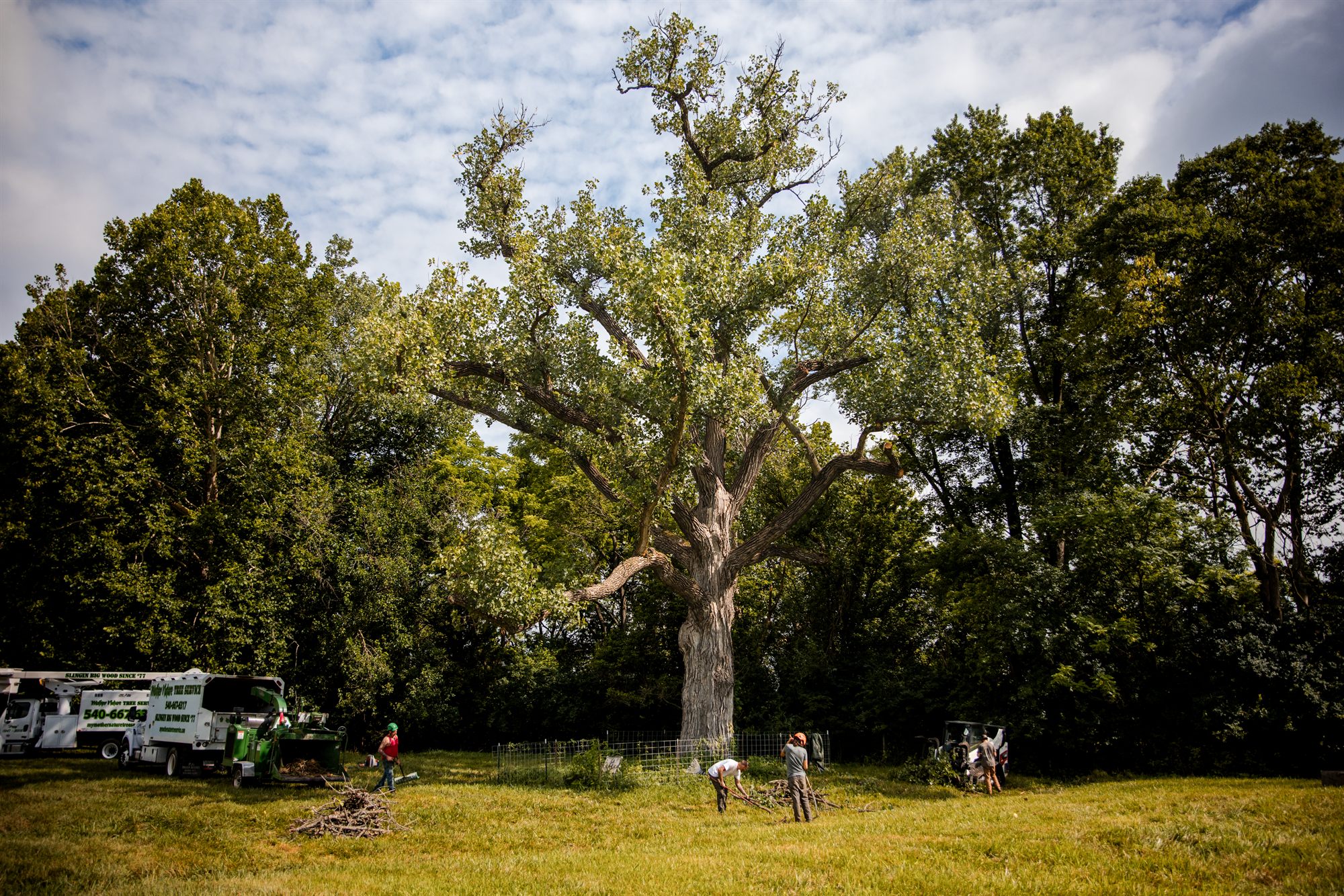
Compacted Soil Starves a Tree Slowly
Anything heavy that rolled over the root zone pressed the soil shut. Construction traffic, a grading job, a delivery truck that cut the corner. Water runs off instead of soaking in, air stops moving, and the fine feeder roots that actually take up nutrients give up. The tree looks fine for a few seasons and then starts thinning at the top.
Feeding a tree in soil like that only works if the mix gets past the crust. That is why we inject it instead of spreading it, and why the pressure doing the fracturing matters as much as what is in the tank.
The Right Time of Year
Timing changes how much good the treatment does. If you call in July we will tell you honestly whether to wait.
Fall, the best window
Roots stay active well after the leaves drop and the tree stores what it takes up over winter.
Early spring, second best
Feeds the flush of new growth right as the tree wakes up.
Midsummer, better to wait
Pushing new growth in July heat and drought stress does the tree no favors.
How We Read a Struggling Tree
Reading a declining tree
Concentrating growth into healthy branches
When a tree can stay
Forty Nine Years of Reading Trees
Family Owned Since 1977
Family owned out of Berryville. Forty nine years of working trees in Clarke County and the valley around it.
We Tell You Straight
If feeding a tree will not fix what is wrong with it, we say so instead of selling you a treatment.
Fully Insured
General liability and workers compensation. We send the certificate before we start if you want to see it.
Somebody Answers
Open 24 hours. Call (540) 514-7906 and you get a person, not a machine.
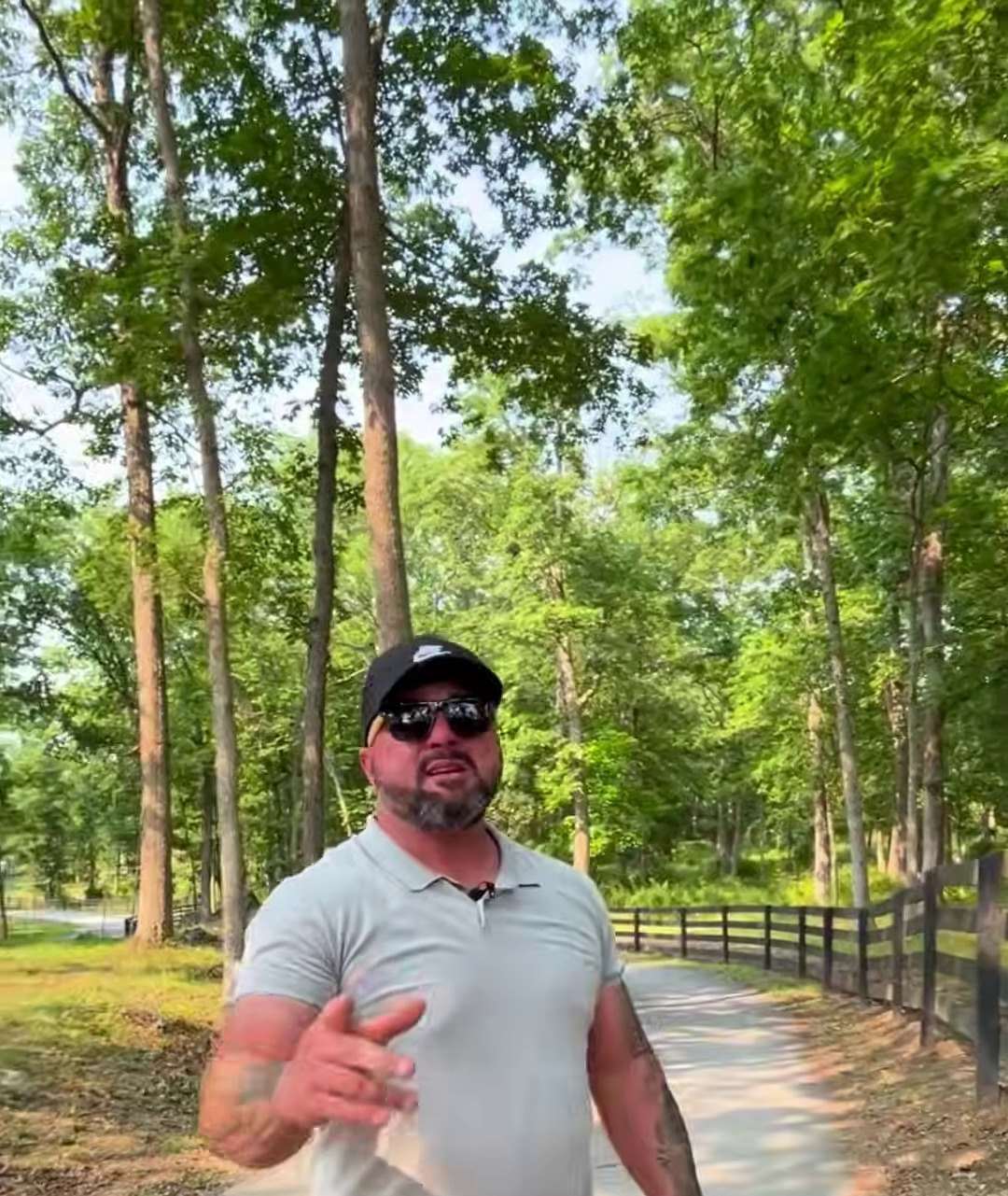
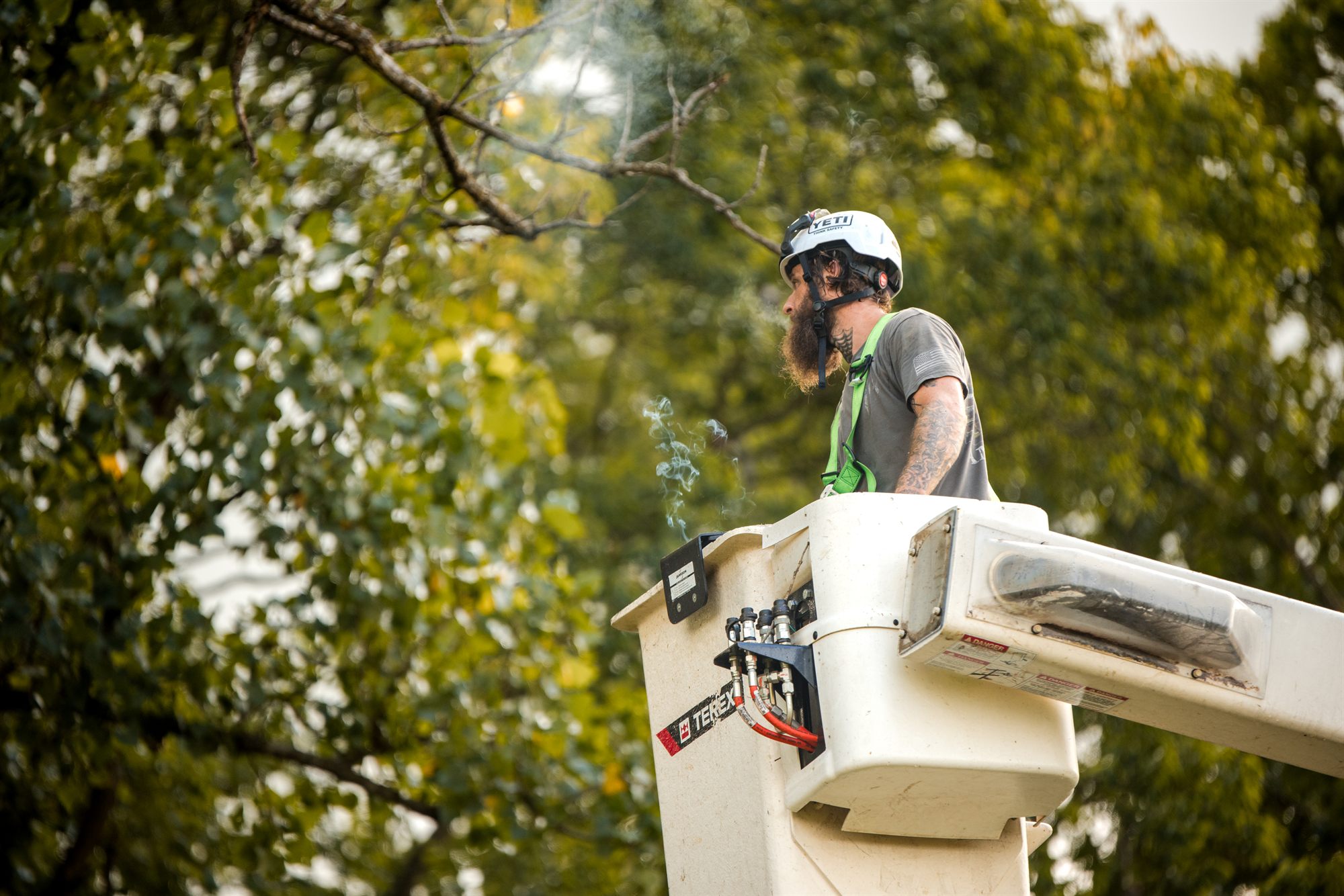
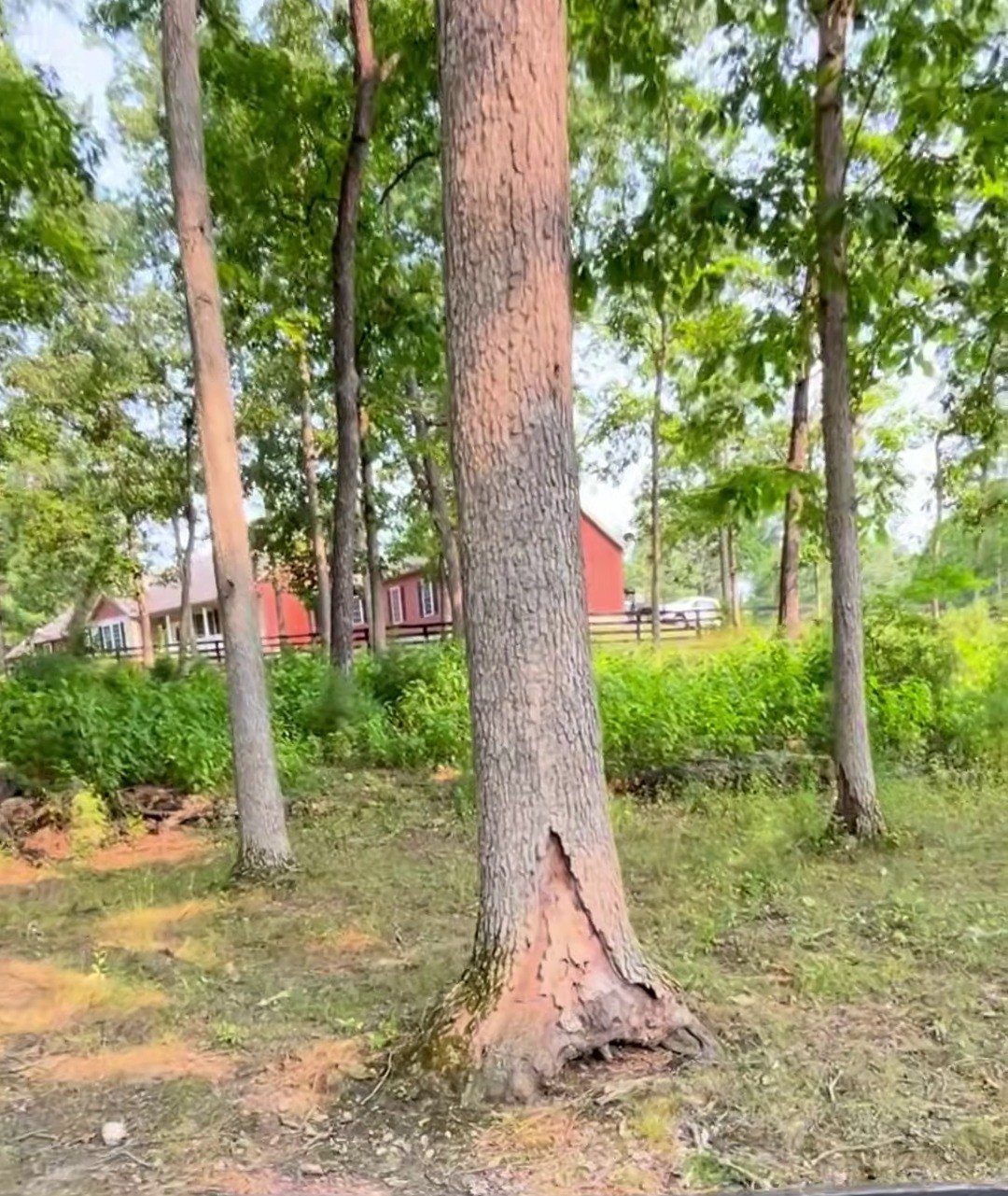
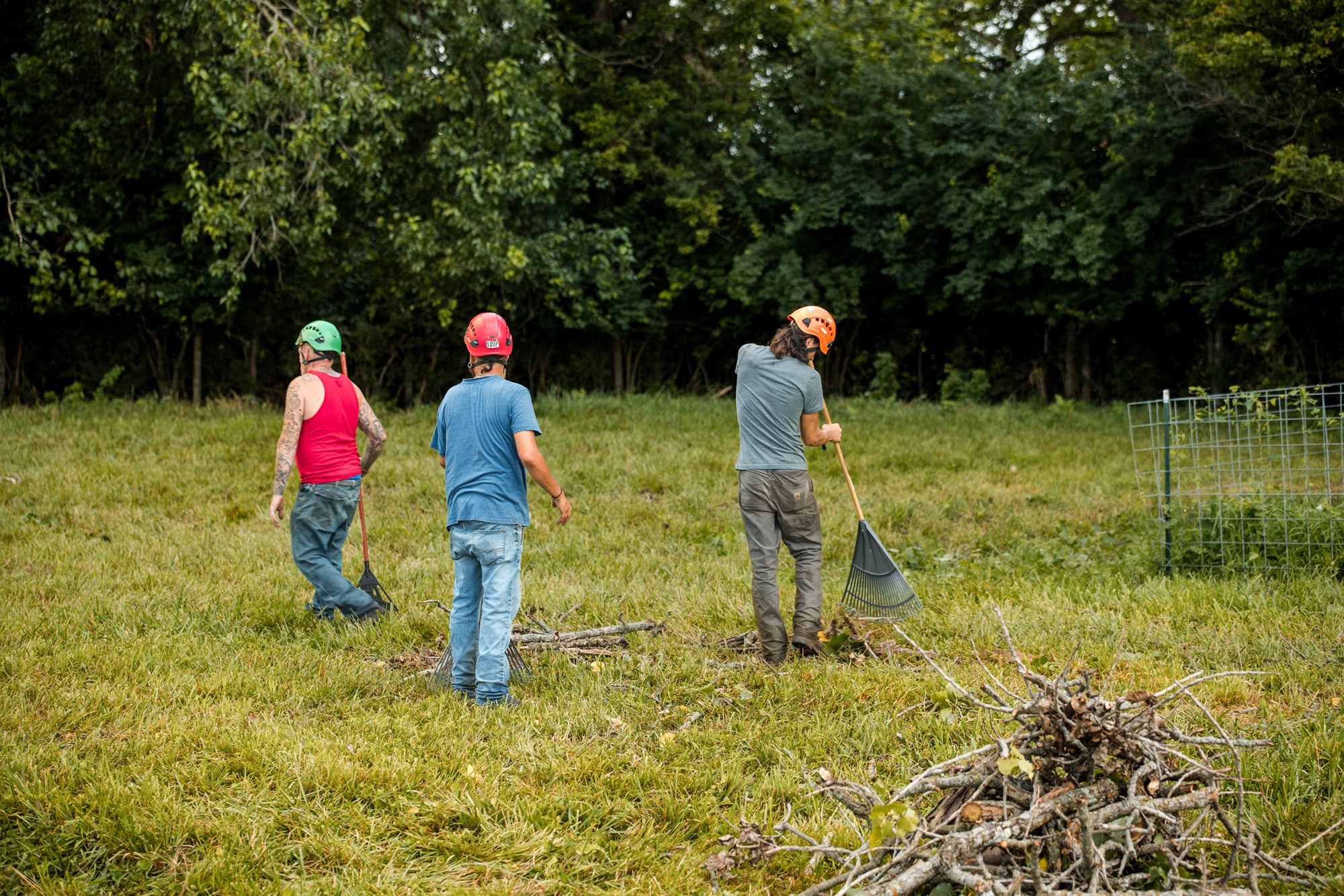
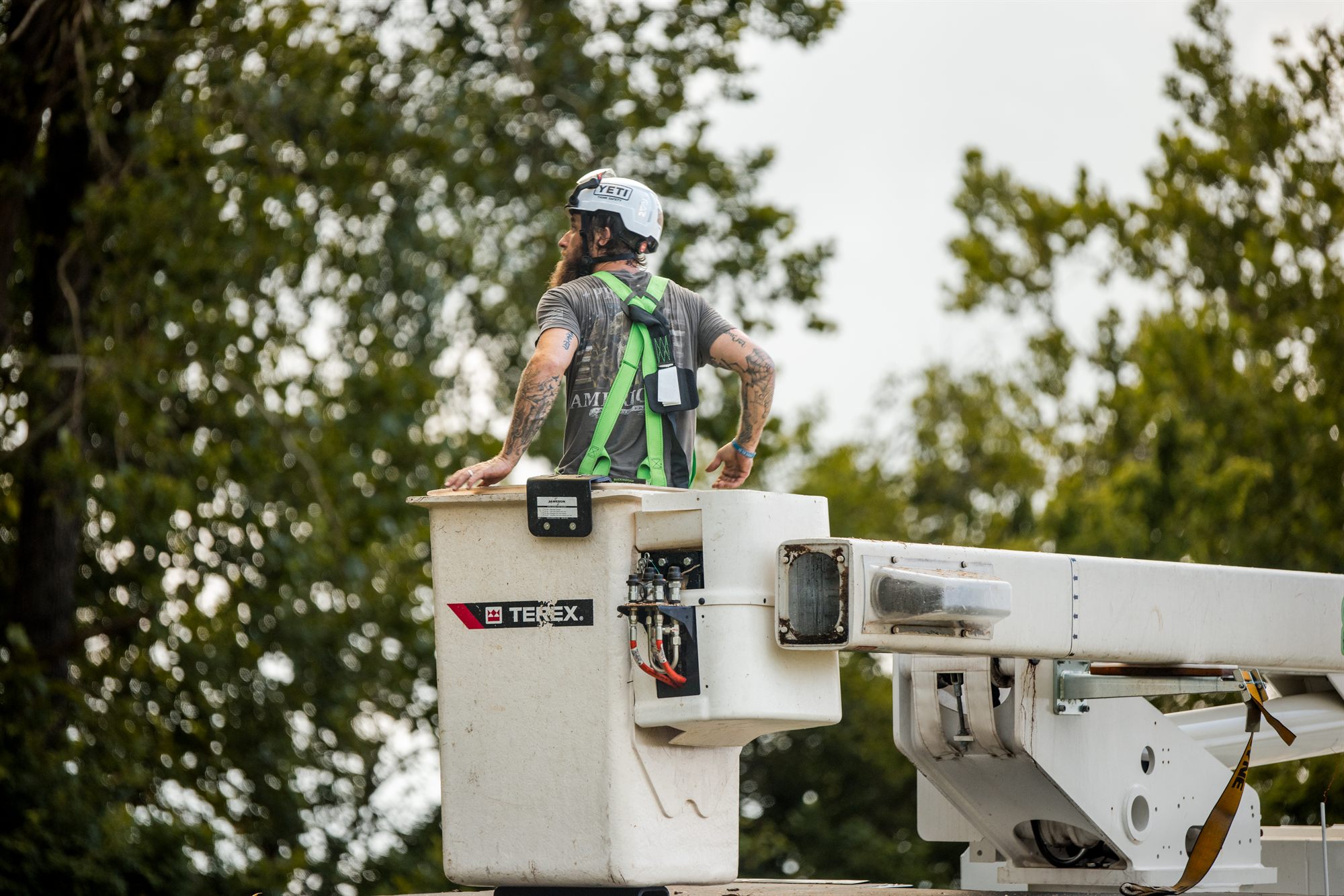
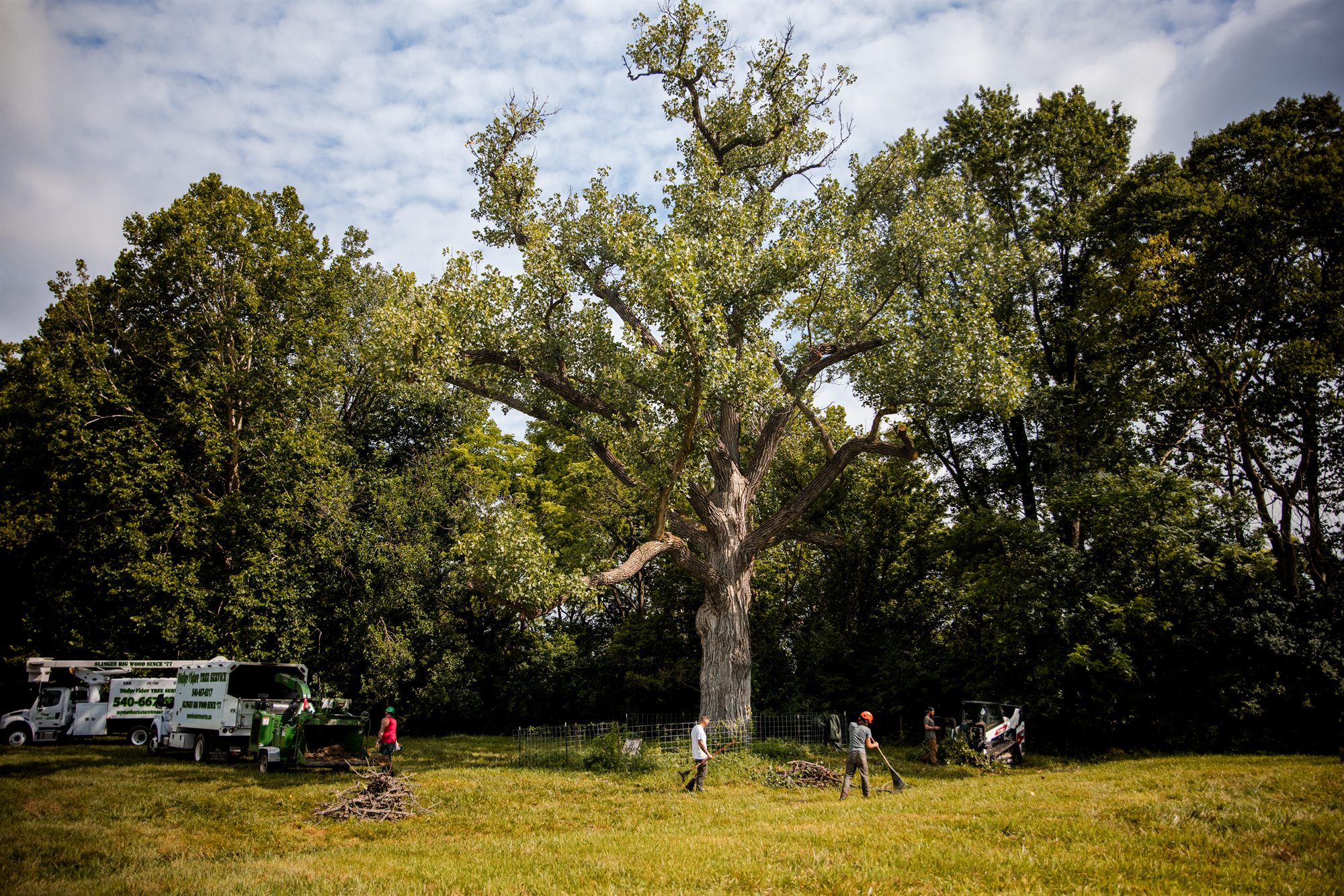
What a Feeding Job Looks Like
Soil work is quiet work. Here is the crew reading trees and treating root zones around Winchester.
4.9 Stars Across 190+ Google Reviews
Forty nine years working trees in Clarke County, and the record is public. Read what your neighbors in Winchester, Berryville, Boyce and White Post have to say about how we work and how we leave a yard.
Read All 190+ Google ReviewsOther Work We Do
Tree Spraying
For the pest and disease side of keeping a tree healthy.
View ServiceTree Cabling and Bracing
Support a split or heavy limb on a tree worth saving.
View ServiceTree Trimming and Pruning
Get the deadwood out and the weight off a valuable tree.
View ServiceTree Removal
When feeding it will not fix it, we take it down and haul it off.
View ServiceWe Cover Winchester and the Valley
Questions About Deep Root Feeding
Call Robbie at (540) 514-7906.
- How often do yard trees around Winchester need feeding?
Most established trees do well every two to three years. A tree under real stress or one recently transplanted may want it annually until it turns around.
- Will this fix a dying tree?
Not by itself, and we will not pretend otherwise. Fertilization helps a tree that is stressed but structurally sound. If the problem is root rot, girdling roots, or trunk decay, feeding it does not address the cause.
- Is it safe around pets and kids?
Once it is injected below the surface there is nothing sitting on the lawn. We will tell you at the time if there is any wait period for the specific product.
- How soon will I see a difference?
Usually the following growing season. Trees work on a slower clock than lawns do. Anyone promising you a visible change in two weeks is selling something.
Tell Us Which Trees Have You Worried
Call Robbie and we will come look at them and price it for free. Somebody answers 24 hours a day at 1240 Moose Rd, Berryville, VA 22611.
(540) 514-7906